Review: Meat at the Parish, Windsor

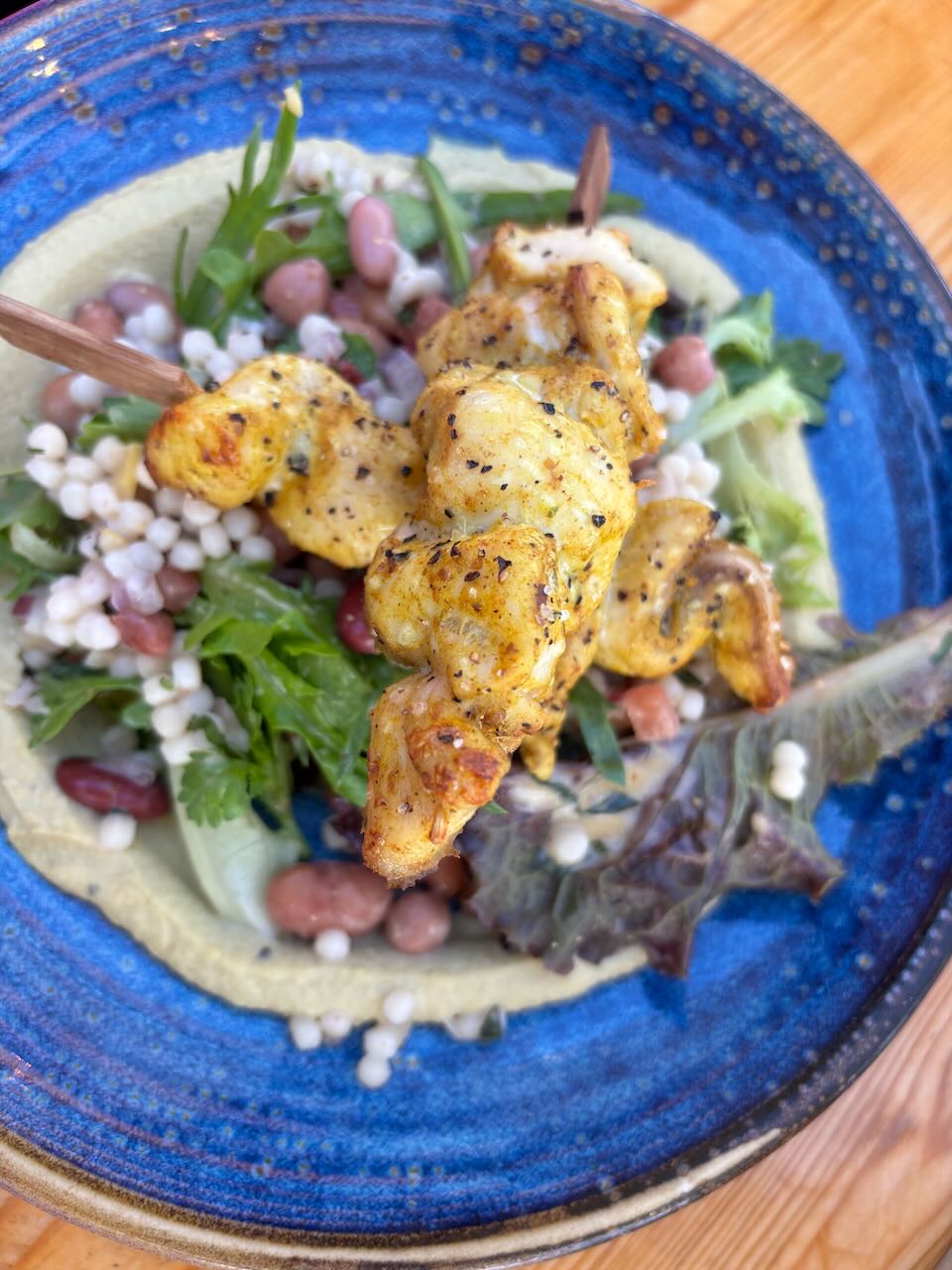
Beetroot salad

Beetroot salad

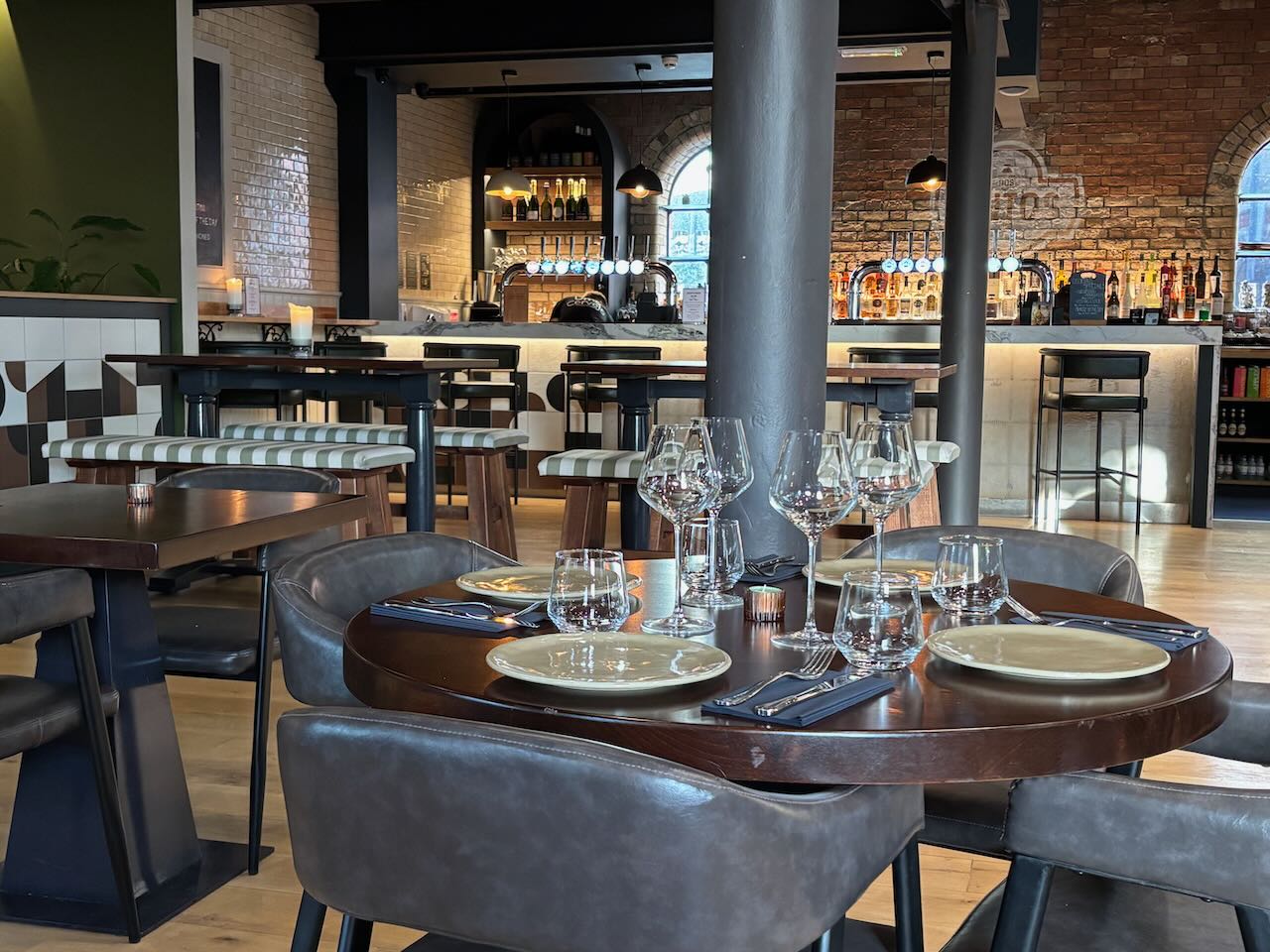
Meat at the Parish is a steak restaurant right in the middle of Windsor, within sight of the castle. At lunchtime on Saturday it was pretty quiet – fair to assume most tourists don’t think of steak for lunch. But hey, we certainly had good service. Inside the decor is rather non-descript dark and modern, comfortable for a long lunch.

My starter of beetroot salad and goat cheese was nicely presented and the beet slices perfectly seasoned, albeit the goat cheese wasn’t particularly special. Maureen had an onion “blossom” – a big onion, sliced into slivers, floured and deep-fried – with spicy mayo to dip into. I’m a big fan of fried onion, and with the spicy mayo it was a great snack.

Onion blossom

Onion blossom

We shared a ribeye steak for main, neither of us wanting a whole 350g steak to ourselves, but that gave us the opportunity to add a few sides: roast garlic cloves, bone marrow, heritage tomato salad and fries. Oh, and a peppercorn sauce, which was pleasant but needed more green peppercorn tang and oomph. The steak was middling, I’ve certainly had less chewy ribeye, though it was correctly cooked to medium-rare with nice char lines. Good fries, really enjoyed the soft cloves of roast garlic with the steak, but the tomato salad was (no surprise in England in March) a bit flavourless.

We finished up with a nice pair of sorbets: honeydew melon and coconut. If you have steak you’ll pay around £50-60 for three courses before drinks, if you pick a different main it’ll be £40-50. For the quality I think this is steep, so I’m probably going to go three doors down to A La Russe for dinner in Windsor.

Steak and sides

Steak and sides

Review: Josephine, Chelsea

Josephine

There’s a type of restaurant. It takes a classic local cuisine, recreates it in a bijou corner of London in a comfortable dining room that looks like the chocolate-box version of the old local restaurants where the cuisine originated, perfects the classic dishes, then doubles the pricetag and tops it with a winelist hefty with mark-up. I know it’s a type, because I’ve been to four or five of them over the years, and Josephine is certainly one.

But in case you got the impression that I think it’s a bad thing, it’s really not. You can’t just pop to Lyons if you fancy experiencing a classic Lyonnaise Bouchon, but you can pop to Chelsea and try one that (I’m willing to bet) is as good or better than some of the originals. Price aside, of course.

Josephine is properly packed, everyone sitting at simple, round, linen-draped tables, squished in enough that the ample waiters sometimes give you a bump and an “excusez moi” as they try to shimmy past with plates for another table. It’s nice, and friendly, and the wine list is full of France, albeit with only a few to choose from in the two-digit category.

Cheese souffle

Cheese souffle

Of course there was nice, crusty bread on the table. I needed it to soak up the spare cream sauce from around my cheese souffle starter. Wonderfully light souffle, good tang of strong cheese, wicked cream sauce. Plenty of room for my main course of andouillette! I’ve got a bad addiction to tripe sausage and tend to order it any chance I get. This was a good specimen, full flavoured without going over, nicely peppery and unctuous texture. Served with a simple mustard sauce and very silky mash potato. Maureen’s veal sweetbread was a sturdy piece, well char-grilled on the outside and very creamy within. The morel sauce it was bathed in was another monster of cream, but packed with the earthily perfumed morel flavour it went perfectly with the offal. Naturally, no-one really wants their meal to just be a sweetbread doused in cream sauce, so we’d ordered sides: dauphinoise potatoes, rustic and pungently garlicky, and green beans dressed with fried shallots.

We squeezed in pudding too. My lemon meringue tart was a lovely specimen, properly tangy custard and crisp pastry, while Maureen had a light and lovely nougat parfait in a pool of raspberry sauce. You might land at around £60 each for three courses before drinks, which is obviously kinda toppy for French bistro classics. These are done very well, though, is all I can say.

Sweetbread

Sweetbread

Review: The Shed, Porthgain

The Shed

Porthgain is a tiny harbour village tucked into a little rocky cove on the north Pembrokeshire coast. It feels like the middle of nowhere on a wet weekday evening in March (Pembrokeshire is like the forgotten version of Cornwall) and so it’s odd to walk into through the battered little door of The Shed down on the quayside and find a bustling crowd in this little fish bistro, many of them seemingly locals.

I had local seabass fillets on a richly tomato-y stew of butterbeans and chorizo, with a handful of battered cockles scattered around. The fish was cooked a little more thoroughly than I prefer, the stew was very satisfying, rich and herby, and the cockles were kinda okay with the batter more fluffy than scrunchy.

Sea bass

Sea bass

Maureen sensibly went with the fish and chips, for which The Shed is renowned. This was a purely splendid piece of cod, cloud-like soft and flakey, in nicely brown scrunchy batter. The chips were splendid, the mushy peas absolutely traditional, while the curry sauce was a big step up from typical chip-shop curry sauce, very much its own thing, warmly spicy and brilliant with both chips and fish. Though to be fair, that cod needed absolutely nothing but a little salt and vinegar.

Their fish and chips was £19, the seabass more like £27, and I’d say the mark-up on a more basic fish-and-chip restaurant was well worth it for the quality and lovely location.

Fish n chips

Fish n chips

Review: Dexters at Brown’s Hotel, Laugharne

Souffle

Souffle

Brown’s Hotel is a lovely place, a cosy inn nestled in the estuary village of Laugharne on the coast of Carmarthenshire. Like the village, the pub is closely associated with Dylan Thomas, indeed it was basically his local. And I think the man liked a beer. They’ve modernised since then, with handsome wood furniture and dark painted walls, but I think they’ve kept the essence of the place very well. It felt like Mr Thomas could walk in for a pint any time.

We were there to stay (lovely room, but this isn’t a hotel blog!) and to eat dinner. Dexters specialise in steak, so I felt the need for a sirloin, while Maureen went for lamb cooked over the coals. Before that we started with a twice-baked Perl Las souffle and a braised beef arancini. The arancini was lovely, with gooey beef innards and a crisp shell. The souffle was splendid, lightly fluffy within and coated in some extra creamy cheese sauce. Perl Las is milder than a strong cheddar but worked perfectly for me.

Lamb

Lamb

My steak was a prime piece of beef, cooked somewhere on the rare side of medium-rare and glazed with pan juices, a nice touch. Full of flavour. The bearnaise sauce with it was a good, thick example but I’d have liked it a little tangier to cut the richness. Nevertheless, the chips dipped in it very well. Not epic chips, but plenty good enough. Maureen’s lamb was rather wonderful, of an incredibly soft texture that almost verged on livery, and packed with taste. I loved the generous amount of caramelised onion puree with it, and a bit of salsa verde to lift the rich fattiness of the lamb. The truffled dauphinoise potatoes on the side were impossible not to finish.

No room for pudding! Laugharne is lovely, and if you want to stay here I’d recommend Brown’s instantly and also a meal at Dexters. Jolly good, probably £40 for two courses and that’s fair value, albeit a bit dear for the wilds of west Wales.

Steak

Steak

Review: Annwn, Narberth

Annwn

Annwn

Annwn might be a bit of a marmite restaurant: some will love it, others will leave bemused. For the record, we loved it, but that’s because it ticks all our culinary buttons. Chef Matt Powell cares deeply about place and provenance, loves using obscure and unfamiliar local and foraged ingredients, isn’t scared of strong flavours, and doesn’t finesse the soul of the ingredients out of every dish with intricate technique and presentation.

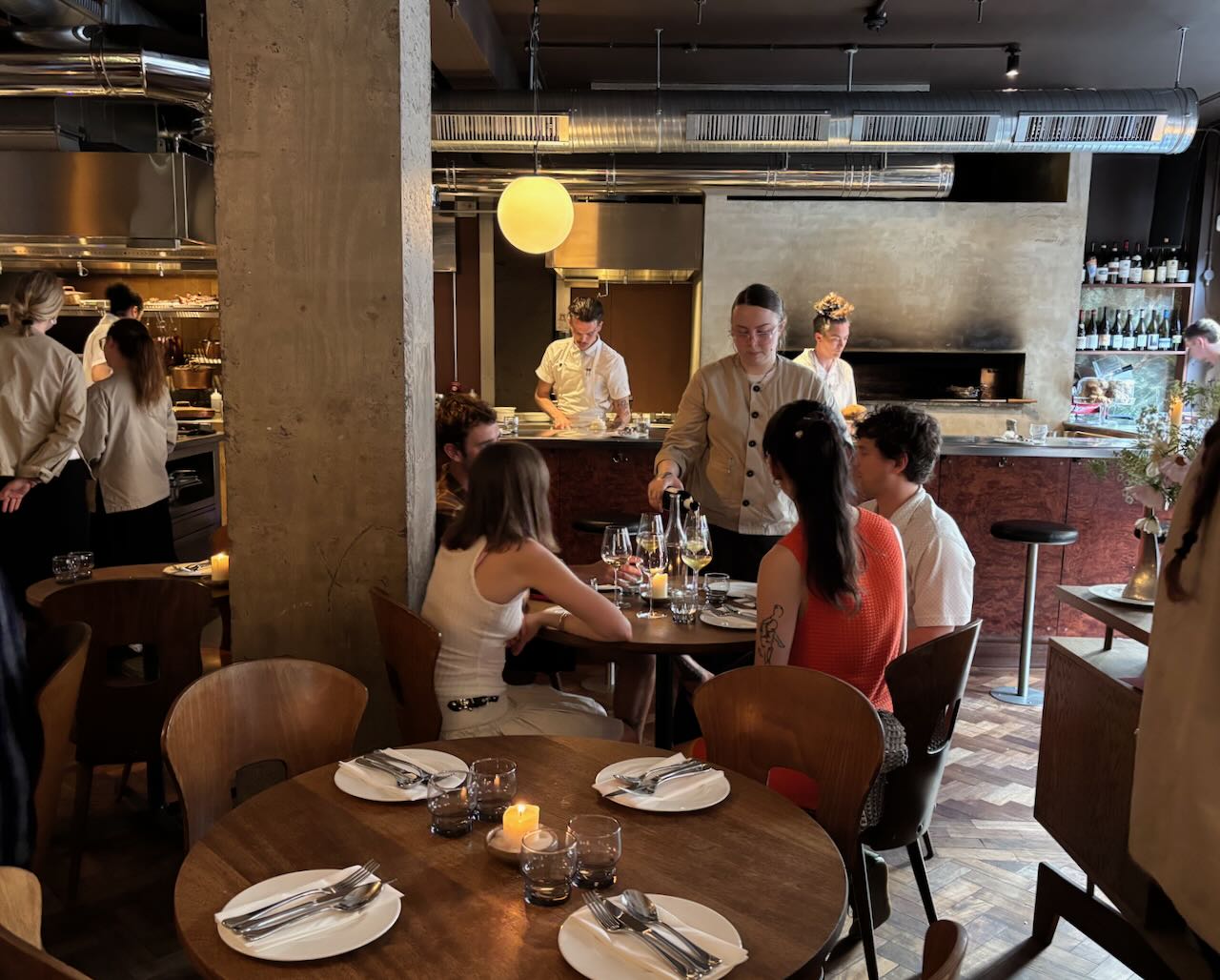
The dining room feels a bit unsure of itself, if I’m honest. It’s a big, modern space with a modern, workmanlike open kitchen and stark while walls. Then the dining furniture and the scatter of decorative items are all natural, wooden, rustic and appealingly wabi-sabi. But they sit around the open, white space like folks at a party that’s not-really-our-kinda-thing. Still, ’twas warm and comfy on a filthy spring evening and chef Matt talked us through the menu with clear passion and lots of local detail.

Oyster

Oyster

We opened with a bread course that included splendid chunks of aged dry-cured mutton, wild garlic flowers, seedheads and leaves all individually pickled or fermented, wonderful fresh butter with mutton fat whipped through it and lovely little floury breads cooked on a stone “planc”. The first starter felt like a real statement of intent; oysters from the last remaining local oyster beds, turned into a creamy mousse that captured all the beautiful flavour. At least three different coastal vegetables and three different seaweeds served with it, all brightly fresh and meant for swiping through the mousse, along with a scrunchy little sea lettuce cracker. You can’t get much more Pembrokeshire than that.

The other two starters were a potato dish with celeriac cream, tasty and a nice use of local and seasonal veg, and then a very slow-cooked egg yolk in a wonderful and extremely intense fungi sauce with pickled chanterelles on top. Both starters were good without being great. Next up was the meat course, chunks of salt marsh mutton, slowly roasted to a beautiful softness inside with wickedly crisped edges packed with flavour. The seaweed-enhanced reduction was absolute glossy perfection and enriched the mutton even more. This was mighty meat with unashamedly powerful flavour.

Brill

Brill

The actual main course, then, was the locally caught brill. The fish itself was a beauty, so softly cooked that it swooned winsomely on the fork. The dark reduction with this one, rich from roast fish bones, was the same mirror-like glossiness as the mutton gravy, and so good with the fish. There was a great side-serving as well, of a brown crab mousse that was as powerful as any sea urchin dish I’ve ever tried, and also wonderful scoffed with the fish. Probably the star dish, appropriately.

Fermented crab apple sorbet was a lovely refresher, like a hit of excellent cider with both high tangy notes and a deeply funky barnyard bass. Then my favourite dessert; a simple scoop of meadowsweet curds, covered with about the same amount of a thick, local honey. I’ve never been given such a wonderfully powerful hit of meadowsweet, with plenty of the somewhat medicinal tang that it can have, warmed up and sweetened by the fragrant honey. The main dessert was both an extremely pretty plate and also very light and edible, just what’s needed after a big tasting menu. Malty little savory chocolate twigs, a lovely powdery birch sap meringue (?!?), and an eggshell filled with deliciously lush and slightly jammy rosehip custard. The little leaf was made from crab apple, the cherry from a sweet-tart berry jelly.

The tasting menu at Annwn was £150 each, and I enjoyed the evening immensely; a far more intimate experience than even most other small fine-dining restaurants. They’ve bravely gone with a wine list that is entirely British from top-to-bottom, but it was also revelatory with a superb glass of full-flavoured Welsh rose from Aberaeron and a couple of pinot noirs from an Essex winery that would have blind-tasted very well next to an awful lot of decent Burgundy.

You should go and visit Annwn, you’ll not have a meal like it any time soon.

Dessert

Dessert